
TAX BULLETIN – Tax Tips, News, & Updates: Issue No. 2 | Vol No. 2
Our Volume 2 and 3 newsletters will focus on the credits, which can potentially benefit individuals and businesses. This volume focuses on credits for qualifying home improvements! You can use two categories of credit and deductions to help lower your tax bill or increase your refund.
- Credits Can Reduce the Amount of Tax Due.
- Deductions Can Reduce the Amount of Taxable Income.
Home Energy Tax Credits
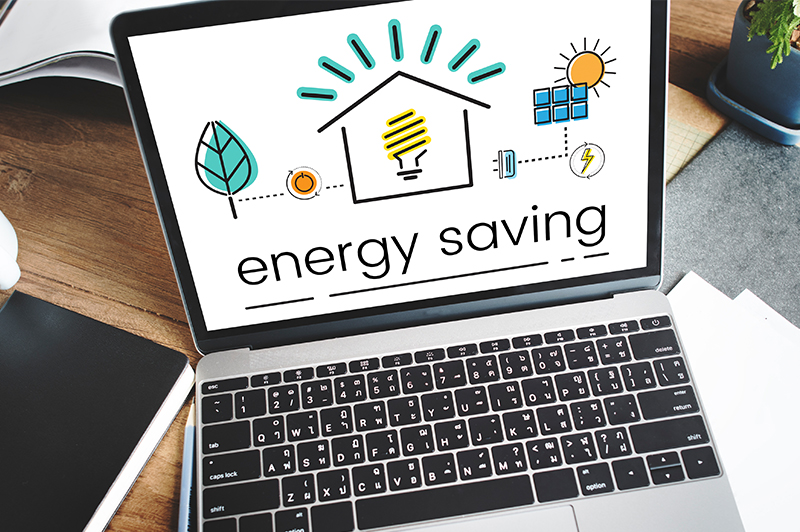
Taxpayers who make energy improvements to their home, maybe eligible for tax credits for a portion of qualifying expenses. The credit amounts and types of qualifying expenses were expanded by the Inflation Reduction Act of 2022.
In this newsletter we will help you compare the credits and decide whether they apply to expenses you’ve already paid or if they apply to improvements you’re planning. These credits usually apply to qualifying expenses, which are related to improvements that will increase the energy efficiency of your home.

The Inflation Reduction Act of 2022 provided new and extended credit and deductions for individuals, businesses, and some tax exempt organizations!
Energy Efficient Home Improvement Credits
These expenses may qualify if they meet such energy efficiencies such as savings on utilities, assisting with reducing environmental and carbon footprint. The credits include costs for:
- Exterior doors, windows, skylights and insulation materials
- Central air conditioners, water heaters, furnaces, boilers and heat pumps
- Biomass stoves and boilers
- Home energy audits
The amount of credit you can take is a percentage of the total improvement expenses in the year when the improvements were made:
- 2022: 30%, up to a lifetime maximum of $500
- 2023 through 2032: 30%, up to a maximum of $1,
- Please note that heat pumps, biomass stoves, and boilers have a separate annual credit limit of $2,000, but no lifetime limit!

Residential Clean Energy Credits
Expenses related to installation of the following may qualify if they meet energy savings and sustainability requirements:
- Solar, wind, and geothermal power generation
- Solar water heaters
- Fuel cells
- Battery storage (began with tax year, 2023)
The amount of the credit you are eligible for is a percentage of the total improvement expenses and depends on the year of installation:
- 2022 to 2032: 30%, no annual maximum or lifetime limit
- 2033: 26%, no annual maximum or lifetime limit
- 2034: 22%, no annual maximum or lifetime limit
For additional information and requirements details you can visit energy.gov or residential clean energy credit. Contact us for help with your eligibility for these credits and or tax preparation!
WE HOPE YOU ENJOYED & LEARNED FROM THIS MONTH’S BULLETIN!
Contact us for more information which is specific to your situation as there are always exceptions to the IRS rules and specific to the states’ rules!
No Comments